Biogeography, sexual systems and genetic diversity in the leafy cacti of the Caribbean (Leuenbergeria: Cactaceae): implications for conservation
Keywords:
Conservation, endemism, evolution, population genetics, heterozygosityAbstract
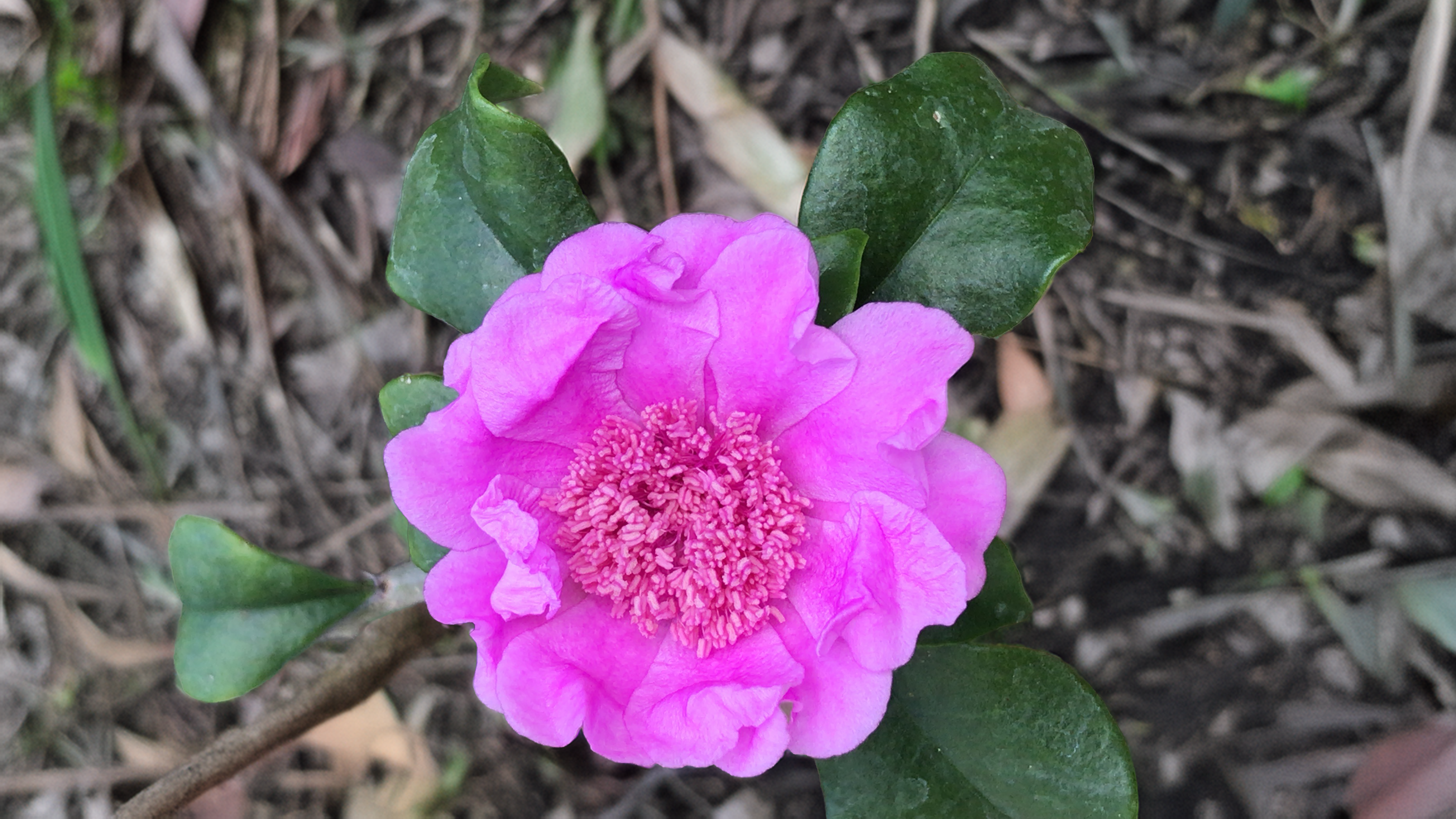
This study examines the biogeography, sexual systems, and genetic diversity of Leuenbergeria, a lineage of leafy cacti, which includes the national flower of the Dominican Republic, L. quisqueyana. Based on a time-calibrated nuclear phylogeny using 355 single-copy or low-copy loci, divergence times were estimated, and the evolutionary history of the group was reconstructed. The results indicate an origin in northern South America during the late Oligocene–early Miocene, with internal diversification primarily occurring during the Miocene. Colonization of the Greater Antilles occurred through an eastward dispersal event from Hispaniola in the mid–late Miocene, followed by secondary dispersal to Cuba. Individual heterozygosity estimates were low and showed no statistically significant relationship with insularity, sexual system, or lineage age, suggesting that genetic variation primarily reflects recent demographic processes. The combination of endemism, population fragmentation, and low genetic diversity highlights the vulnerability of several island species and provides an evolutionary and genetic framework relevant to their conservation.
Received: November 20, 2025
Accepted: January 16, 2026
Published online: March 9, 2026
Correspondence: Yuley Encarnación-Piñeyro (yuleyencarnacion.yep@gmail.com)
Citation: Encarnación-Piñeyro, Y., Guerrero, A.E., Brito-Romeiro, M., Romero, F., Majure. L.C. & Burleigh,G. 2026. Biogeografía, sistemas sexuales y diversidad genética en los cactus foliosos del Caribe (Leuenbergeria: Cactaceae): implicaciones para la conservación. Caribea 2(1): 1-13. https://doi.org/10.70925/caribea2.1-13
Author Contributions: YEP, AEG, LCM, GB: Conceptualization, methodology and investigation. YEP, AEG, MBR, FR, LCM, GB: Data curation, validation and writing – review and editing. YEP, LCM, GB: Project administration and funding acquisition. YEP: Writing - original draft and visualization. All authors have read and agreed to the published version of the manuscript.
Conflicts of Interest: The authors declare no conflict of interest.